
Does the truth still matter?
Exploring AI’s impact on photography, creativity, and truth.
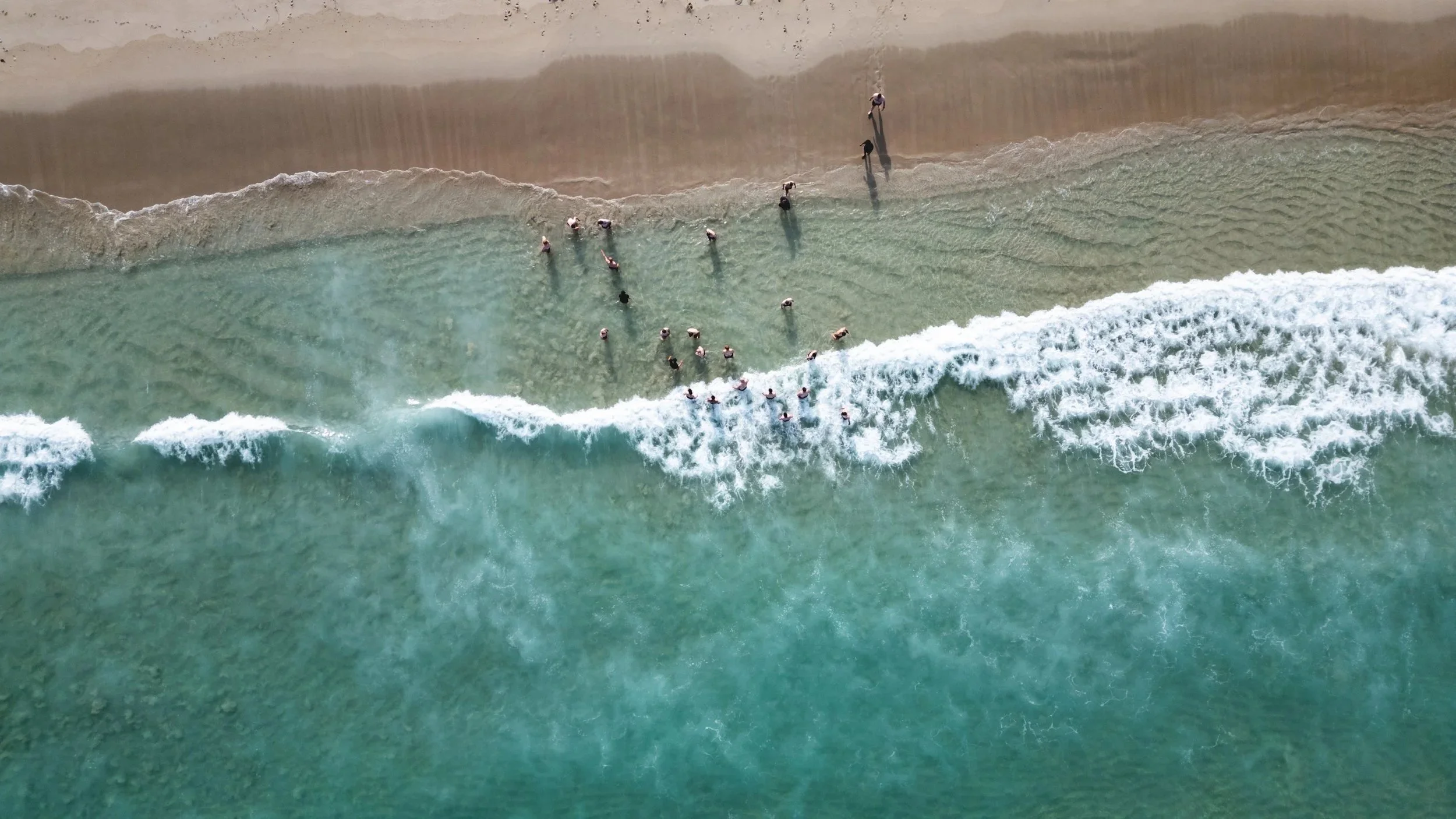
Aerial photograph of a group of people bathing in the sea, Cornwall, UK.
Photography has always been a search for truth. A way of holding a moment still, of saying this happened. A photograph is not just light and pixels, its presence. It’s being there.
Connecting with the subject. Seeing, feeling, not just looking. Photography is a pursuit.
Yet the relationship between photography and truth has always been complex. Every photograph is already a choice, where to stand, what to frame, when to press the shutter. Even before AI, editing, retouching, and colour grading shaped how we saw the world through an image.
So, when we talk about AI in photography, we’re not starting from zero.
AI Image Creation
Artificial intelligence doesn’t capture a moment, it invents one. It generates images from words, not light. From ideas, not experience.
In that sense, AI-generated imagery is more like painting, collage, or storytelling. powerful creative forms, but not photography in the traditional sense.
If an image has never seen light, can we trust what we see? Or does it invite us to rethink what seeing even means?
AI Enhancements
At the same time, AI is transforming what photographers can achieve with light. Tools that once took hours in Lightroom or Photoshop can now be done in seconds. Sky replacements, object removal, and intelligent upscaling blur the line between correction and creation.
AI can help an amateur create professional-looking results but perhaps at a cost. The craft of learning through trial, error, and understanding light risks being replaced by automation. We gain efficiency but lose intimacy with the process itself. Dumbing down the very reason we pick up the camera in the first place, an outlet for creativity.
“…keep seeing… keep being there”A Changing Craft
I don’t think AI will kill photography, but it will change it.
Just as film gave way to digital, and darkrooms to software, this is another turning point in the ongoing story of how we use light to express truth.
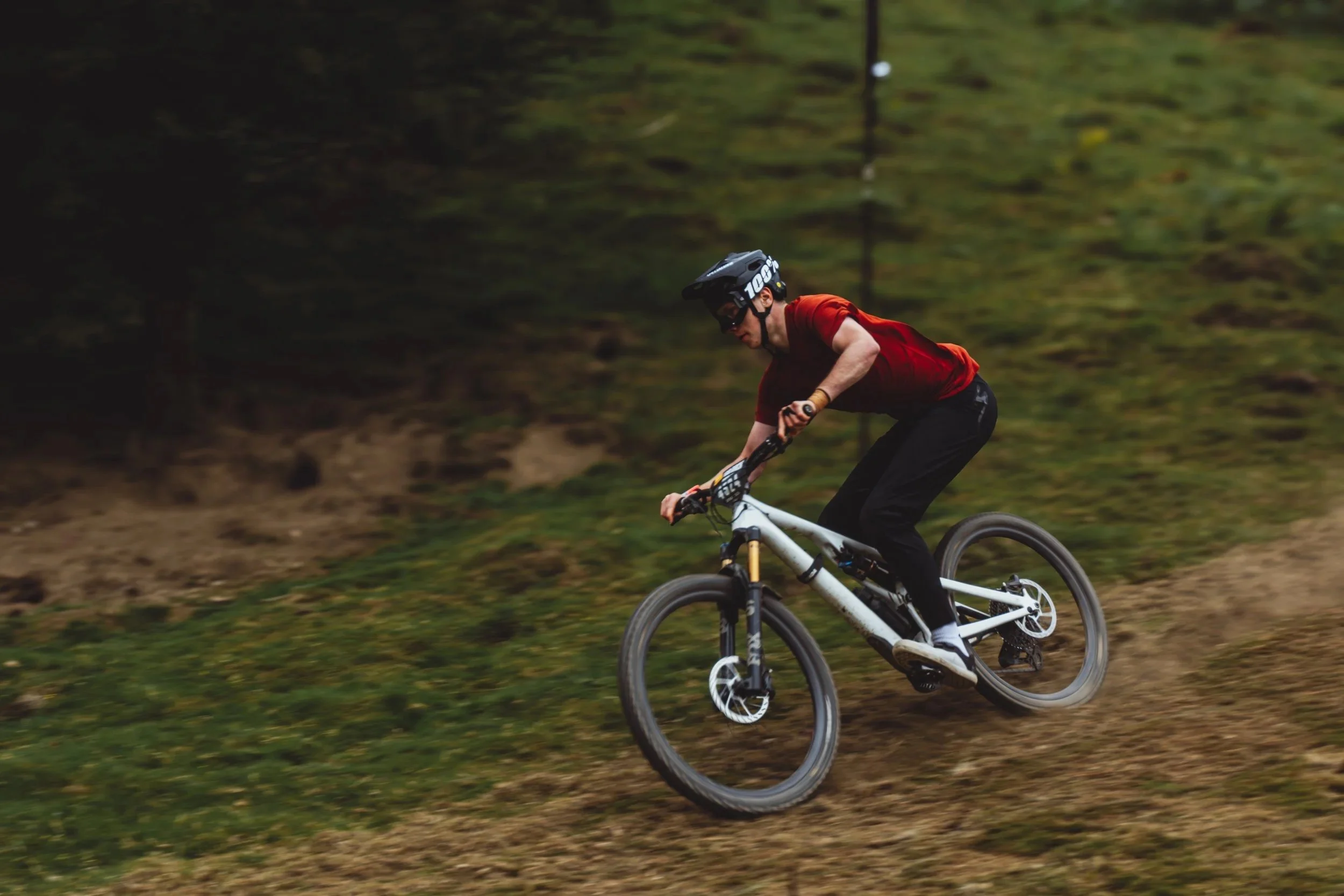
The question isn’t whether AI will replace photographers. It’s whether we’ll stay curious enough to keep seeing, to keep being there, in the world, with a camera in hand, chasing the kind of light no algorithm can ever truly compute.
Does the truth still matter? I think so.